

Image Source: Pexels
Trauma leaves a bitter taste in someone’s mouth, persistent in staying, determined to disrupt daily life. Often, it makes life feel like a roller coaster of “before” and “after” moments. The weight of painful experiences often leaves survivors feeling isolated, lost, and uncertain whether recovery is even possible.
However, countless individuals have found their way out of the darkness, rebuilding their lives and discovering the strength they never knew they possessed. Reading real-life inspired trauma recovery stories inspiresdifferent people that healing is possible and achievable.
These narratives remind survivors that they are not alone and that the path forward, though challenging, is walkable. This article shares powerful stories of resilience, explores common stages of healing, and provides practical insights for anyone on their own recovery journey.
Why Trauma Recovery Stories Matter
The Power of Seeing Yourself in Someone Else’s Story
When survivors read about others who have endured similar pain, the isolation that trauma creates begins to lift. These stories validate experiences, normalize difficult emotions, and provide a framework for understanding one’s own journey. Survivor stories demonstrate that recovery is a lived reality.
The University of Michigan’s research on post-traumatic growth reveals that between half and two-thirds of trauma survivors report positive changes or improvements and a new life outlook after a crisis. This statistic offers powerful evidence that healing and growth are genuine possibilities.
How Survivor Stories Create Hope
Survivor narratives serve as beacons of hope, showing that even in the aftermath of profound pain, life can become meaningful again. Each recovery journey offers unique insights and strategies, from professional therapy to creative outlets, from community support to faith. Recovery narratives help readers identify approaches that might work for their own situations.
Why Healing Looks Different for Everyone
In reality, trauma recovery is not a one-size-fits-all process. Some survivors find healing through therapy, others through art or community support. And so, recognizing this diversity helps readers honor their own unique healing journey without comparison or judgment.

Self-Help, Relationships & Codependency
Saints Codependent: Good From Evil
By Angie Galler Bowen
Saints Codependent is the first in a trilogy. Pure fiction, yet influenced by real-life stories, it offers fast-paced action and suspense. Follow the journey of three women, struggling to find their own identities. Wanting to “do the Christian thing” yet habitually leaving themselves out of their circle of care.
Buy the Book on AmazonReal-Life Inspired Trauma Recovery Stories
From Despair to Hope: Robert Edwards’ Story of Survival Through Boxing
Robert Edwards, a prison officer and dog handler from Wolverhampton, spent approximately 20 years witnessing traumatic events, including inmates committing suicide and having to attend to bodies. He buried the pain rather than processing it, shutting himself off from family and colleagues. The 53-year-old was later diagnosed with complex post-traumatic stress disorder.
During 2023 and 2024, Edwards was pushed to the edge, resulting in the end of his marriage and an emotional breakdown at work. He then planned to take his own life, but stopped when he saw his son’s photo.
With the support of his manager and family, Edwards sought talking therapies and counseling, which he described as life-changing. Edwards also joined Ultra White Collar Boxing, finding that the training gave him focus, improved his mental health, and helped him release years of built-up tension. Besides that, he also created connections while training with others.
Post-Traumatic Growth: Erica Solove’s Journey After the Marshall Fire
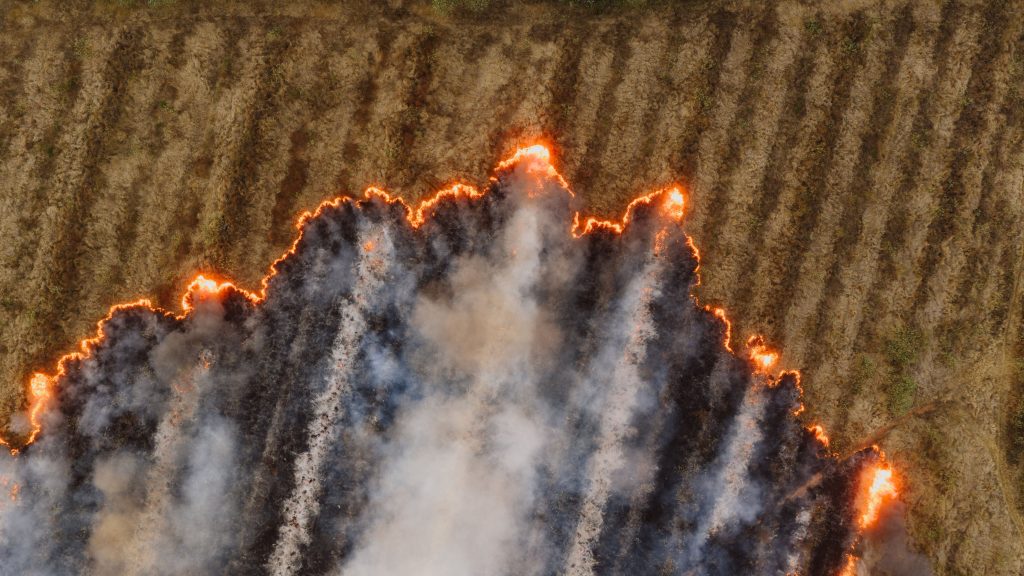
Erica Solove remembers December 30, 2021, as if it were imprinted on her skin. She was at home in Superior, Colorado, when hurricane-force winds brought fire down the mountain. She grabbed her napping two-year-old daughter from her crib while her husband scooped up their young son. The family fled without wallets, coats, or even shoes.
The family was fleeing the Marshall Fire, the costliest in Colorado history. While their lives were spared from the disaster, they had lost everything. Weeks after the disaster, Solove shared that they experienced panic attacks on windy days, and her children went to trauma therapy.
But fast forward to three years, Solove, an organizational psychologist, reported feeling stronger than before. She found it easier to put little stressors in perspective. From her experience, she embarked on a new career. Solove became involved in a nonprofit called Extreme Weather Survivors. When the January 2025 wildfires rampaged in Los Angeles, they managed an online community for victims.
Solove’s story exemplifies what researchers call Post-Traumatic Growth (PTG), where survivors identify improvements in their lives rather than simply returning to how they were before.
Facing Trauma Head-On: Rawson Kirkhope’s Story of Domestic Violence and PTSD
Rawson Kirkhope, a personal trainer from Sydney, lived with complex PTSD as a consequence of growing up in a violent home. When he was 14, he witnessed his father bash and shoot his mother on the bathroom floor in front of him.
Through the years, Kirkhope tried to outrun his trauma, self-medicating with alcohol and soaking in “toxic cultures” where the expectation was to never show pain or struggle. It took a relationship breakdown for him to finally get professional help. He worked with several therapists, talking, feeling, and journaling his way through shame, guilt, and grief, learning his triggers and how to manage them. He recognized his “victim mindset” was holding him back and that positivity was the path out.
Kirkhope now speaks publicly about his PTSD, which has been cathartic and therapeutic. He shares his story on social media and podcasts, hoping to bring the spotlight to domestic violence and the deep psychological scars it leaves on children.
Inspirational healing emerges from Kirkhope’s story as a testament to the power of vulnerability, friendship, and purpose in overcoming trauma.
Lessons These Trauma Recovery Stories Teach Us
Healing Is Not Linear – Recovery involves progress and setbacks.
Small Steps Matter – Progress, no matter how small it looks, is still progress. Every step leads to growth and recovery.
Boundaries Are Part of Recovery – Setting boundaries with harmful people and situations is essential for creating safety.
Self-Compassion Accelerates Healing – Learning to be kind to oneself is a powerful healing practice.
Hope Can Return Even After Deep Pain – Survivors demonstrate that even after years of suffering, hope and meaning can be restored.
Your Story Matters
Trauma may become part of a person’s story, but it does not have to define their future. The real-life inspired trauma recovery stories shared here demonstrate that healing, growth, and hope are possible—even after the most devastating experiences.
For readers ready to take the next step in their own healing journey, Saints Codependent: Good From Evil by Angie Galler Bowen offers a compassionate, clinically informed exploration of recovery from toxic relationships, codependency, and trauma. The novel, although fiction, showcases the stories of three generations of women and demonstrates that healing is possible. So, take a chance and grab a copy of Saints Codependent: Good From Evil by Angie Galler Bowen right now!


0 Comments