
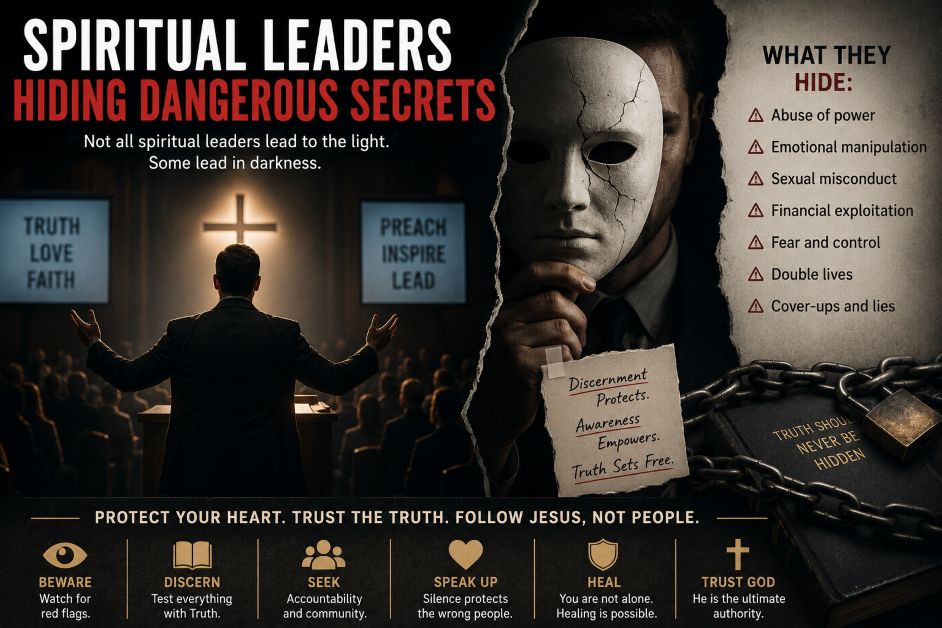
The reality of Spiritual leaders hiding dangerous secrets is more common than many people realize. Across churches, ministries, religious organizations, and spiritual movements, stories continue to emerge involving spiritual abuse, emotional manipulation, financial exploitation, sexual misconduct, and psychological control.
Many people trust spiritual leaders with their deepest fears, emotional struggles, personal decisions, and faith journeys. Spiritual communities are often viewed as places of healing, guidance, and safety. But sometimes, behind inspiring sermons, charismatic personalities, and respected reputations, dangerous secrets remain hidden.
What makes these situations especially devastating is that dangerous leaders rarely appear dangerous at first. Many seem compassionate, wise, humble, and deeply spiritual. Yet beneath carefully protected public images, some manipulate followers through fear, shame, secrecy, and emotional dependency.
In emotionally abusive environments, silence often becomes part of survival. In one emotionally charged narrative, individuals struggled to speak openly about hidden abuse because fear, shame, and emotional control had shaped their entire lives. Deep emotional wounds remained buried beneath appearances, respectability, and silence. Those themes mirror the painful reality many victims experience in spiritually manipulative environments.
This article explores the warning signs, psychological tactics, emotional effects, and healing process connected to Spiritual leaders hiding dangerous secrets so readers can recognize unhealthy leadership patterns and protect themselves emotionally and spiritually.
What Does It Mean When Spiritual Leaders Hide Dangerous Secrets?
Spiritual leaders hiding dangerous secrets refers to situations where religious or spiritual authorities conceal harmful behaviors while maintaining positions of influence and trust.
These secrets may involve:
- spiritual abuse
- emotional manipulation
- coercive control
- financial exploitation
- sexual misconduct
- abuse of authority
- hidden double lives
- psychological intimidation
Some leaders intentionally use spiritual language, religious authority, or fear-based teachings to silence questions and maintain control over followers.
Why Dangerous Leaders Often Appear Spiritually Mature
One reason toxic spiritual leaders are difficult to recognize is that charisma is often mistaken for character.
Dangerous leaders may appear:
- confident
- compassionate
- highly intelligent
- emotionally persuasive
- deeply knowledgeable about faith
They often know exactly how to gain trust and admiration while hiding unhealthy behaviors privately.
The Difference Between Human Weakness and Predatory Behavior
No spiritual leader is perfect. Healthy leadership allows room for mistakes, accountability, and growth.
However, predatory leadership involves repeated patterns such as:
- manipulation
- intimidation
- secrecy
- emotional domination
- exploitation without accountability
The issue is not human imperfection. The issue is hidden harm protected by power.
Common Dangerous Secrets Hidden by Spiritual Leaders
Emotional and Psychological Abuse
One of the most overlooked forms of spiritual abuse is emotional manipulation.
This may include:
- humiliation disguised as correction
- guilt-based teaching
- public shaming
- emotional intimidation
- controlling behavior
- fear-based obedience
Victims often begin doubting their own thoughts, emotions, and instincts.
Sexual Misconduct and Grooming
Some dangerous leaders exploit trust and authority to manipulate vulnerable individuals emotionally or sexually.
Grooming behaviors may involve:
- excessive private attention
- emotional dependency
- inappropriate counseling relationships
- secrecy disguised as “special spiritual guidance”
In many cases, victims remain silent due to fear of condemnation or disbelief.
Financial Exploitation
Another common issue involves religious manipulation through money.
Warning signs include:
- pressure to give beyond personal ability
- promises of spiritual favor tied to donations
- lack of financial transparency
- lavish lifestyles hidden behind ministry language
Double Lives Behind Public Ministry
Some leaders maintain entirely different private identities than their public personas.
Behind inspirational sermons and public respectability, there may be:
- addiction
- affairs
- abusive behavior
- coercion
- manipulation
- exploitation
The emotional shock of discovering these hidden realities can deeply traumatize followers.
Warning Signs of Toxic or Dangerous Spiritual Leadership
Recognizing red flags early can protect people from emotional and spiritual harm.
Leaders Who Demand Blind Obedience
Healthy leaders encourage discernment and personal responsibility.
Dangerous leaders often:
- discourage questions
- punish disagreement
- demand unquestioning loyalty
- equate obedience with spirituality
Fear-Based Teaching and Control
Cult-like religious leaders often rely heavily on fear.
Examples include:
- fear of punishment
- fear of leaving the community
- fear of spiritual failure
- fear of divine rejection
Fear becomes a tool for emotional control.
Gaslighting and Spiritual Shame
Spiritual gaslighting happens when leaders manipulate people into distrusting their own perceptions.
Victims may hear:
- “You’re too sensitive.”
- “You’re attacking God’s authority.”
- “Your doubts are sinful.”
- “You’re spiritually rebellious.”
Over time, this creates emotional confusion and dependency.
Excessive Focus on Image and Loyalty
Dangerous leaders often prioritize:
- reputation management
- protecting leadership image
- silencing criticism
- controlling public narratives
Communities may become more committed to preserving appearances than protecting people.
The Psychology Behind Spiritual Manipulation
Why Charismatic Leaders Gain Emotional Control
Charismatic personalities naturally influence emotions. When combined with spiritual authority, this influence becomes even more powerful.
Followers may:
- seek approval from leaders
- fear disappointing them
- associate leadership approval with divine approval
- become emotionally dependent
This dynamic creates fertile ground for manipulation.
Trauma Bonding in Religious Environments
Trauma bonding in religion occurs when emotional harm becomes mixed with intermittent comfort, validation, or spiritual reassurance.
This creates confusing emotional attachment cycles where victims feel deeply connected to the very individuals harming them.
The emotional patterns resemble abusive romantic relationships:
- fear
- dependency
- guilt
- hope
- emotional highs and lows
How Shame Keeps Followers Silent
Shame is one of the strongest weapons in abusive spiritual systems.
Victims often fear:
- being judged
- losing community
- disappointing family
- spiritual condemnation
- social isolation
Many remain silent for years because speaking out feels emotionally dangerous.
Why Victims Often Stay Silent
People outside these environments often ask:
“Why didn’t they leave sooner?”
The answer is far more complicated than outsiders realize.
Emotional Dependency on Leadership
Many followers form deep emotional attachments to spiritual leaders.
The leader may represent:
- safety
- identity
- belonging
- purpose
- spiritual guidance
Leaving can feel emotionally devastating.
Fear of Rejection and Isolation
In controlling environments, questioning leadership may result in:
- exclusion
- public shame
- loss of friendships
- family conflict
- spiritual threats
Silence often becomes a survival mechanism.
Confusion Between Faith and Control
Many victims struggle to separate genuine spirituality from manipulation.
They may believe:
- enduring abuse proves faithfulness
- suffering equals spiritual growth
- questioning authority is sinful
This confusion traps people emotionally and spiritually.
Spiritual Abuse vs Healthy Spiritual Leadership
Understanding the difference between healthy and toxic leadership is essential.
| Healthy Leadership | Toxic Leadership |
|---|---|
| Encourages questions | Punishes questions |
| Respects boundaries | Violates boundaries |
| Promotes emotional safety | Uses fear and shame |
| Welcomes accountability | Avoids accountability |
| Serves others humbly | Demands loyalty and control |
| Supports personal growth | Creates emotional dependency |
Healthy spiritual guidance never requires emotional control, fear, or intimidation.
The Long-Term Effects of Spiritual Abuse
The emotional damage caused by abusive church leadership can last for years.
Anxiety, Depression, and Trauma
Victims may experience:
- panic attacks
- anxiety
- depression
- emotional numbness
- hypervigilance
- post-traumatic stress
Loss of Trust in Faith Communities
Many survivors struggle to trust:
- churches
- spiritual mentors
- organized religion
- authority figures
Some lose faith entirely after betrayal.
Emotional Isolation and Shame
Victims often feel:
- embarrassed
- confused
- spiritually broken
- emotionally alone
This isolation can intensify trauma.
How to Protect Yourself From Dangerous Spiritual Leaders
Learn to Recognize Manipulation Tactics
Understanding common manipulation patterns helps people identify unhealthy dynamics early.
Watch for:
- excessive control
- secrecy
- fear-based teaching
- emotional intimidation
- pressure for loyalty
Maintain Outside Support Systems
Healthy communities encourage outside relationships and balanced perspectives.
Dangerous groups often isolate members emotionally.
Maintaining:
- friendships
- family connections
- independent thinking
- outside accountability
helps reduce vulnerability to manipulation.
Research Accountability Structures
Healthy organizations typically have:
- financial transparency
- leadership accountability
- independent oversight
- clear ethical boundaries
A lack of accountability is a major warning sign.
Healing After Betrayal by a Spiritual Leader
Recovery from church trauma takes time, patience, and emotional support.
Rebuilding Emotional Safety
Healing begins with emotional stabilization.
This may involve:
- therapy
- trauma-informed counseling
- support groups
- safe community connections
- nervous system regulation practices
Separating Faith From Abuse
One of the most painful parts of recovery is untangling spirituality from manipulation.
Many survivors eventually realize:
- abuse is not holiness
- fear is not faith
- control is not spiritual leadership
Processing Anger, Grief, and Shame
Healing often includes grieving:
- lost trust
- lost community
- emotional betrayal
- spiritual confusion
These emotions are valid parts of recovery.
Can Faith Survive Spiritual Betrayal?
For many survivors, healing involves rediscovering spirituality outside abusive systems.
Healthy spirituality encourages:
- freedom
- emotional safety
- compassion
- humility
- truth
- accountability
It does not rely on fear, shame, or emotional domination.
People recovering from religious manipulation often slowly rebuild trust by seeking emotionally safe environments that value honesty, transparency, and human dignity.
Spiritual Leaders Hiding Dangerous Secrets
The issue of Spiritual leaders hiding dangerous secrets is painful because spiritual spaces are supposed to offer healing, hope, and protection—not manipulation or harm.
But recognizing dangerous leadership patterns is not cynical. It is wise.
Questioning abuse is not rebellion.
Protecting yourself is not weakness.
Seeking truth is not spiritual failure.
Healthy spiritual communities do exist. Healthy leadership does exist. True spirituality should promote emotional safety, honesty, accountability, compassion, and personal growth—not fear and control.
If you or someone you know has experienced spiritual abuse, church trauma, or emotional manipulation from toxic spiritual leaders, healing is possible. Awareness is often the first step toward reclaiming emotional freedom, personal identity, and spiritual peace.



0 Comments