
When someone finds themselves trapped in a destructive partnership, the isolation can feel overwhelming. The confusion, self-doubt, and emotional exhaustion make it difficult to think clearly, let alone take action.
Fortunately, a growing body of literature exists to guide readers through this darkness. For anyone seeking books about toxic relationships and recovery, the options range from clinically precise non-fiction to deeply resonant fiction that mirrors real-life struggles.
This curated list presents six exceptional books—three fiction and three non-fiction—each providing unique insights into recognizing, surviving, and healing from toxic relationship patterns. The most valuable works in this genre combine healing literature with practical application. Aside from describing the problem, they illuminate pathways forward, helping readers see themselves clearly while offering hope for change.
Fiction: Stories That Mirror Real Pain
Fiction shows a unique advantage for those struggling to name their own experiences. By observing characters navigate similar challenges, readers often gain the distance needed to recognize their own situations. These three novels have helped countless individuals identify books about toxic relationships and recovery that speak directly to their hearts.
1. Saints Codependent: Good From Evil by Angie Galler Bowen

The narrative follows three generations of women—Libby, her mother Norma, and her grandmother Constance—as they grapple with cycles of abuse, codependency, and the difficult journey toward genuine self-love.
Libby marries Jerry, believing she has found a soulmate who understands her childhood trauma. However, the relationship deteriorates into darkness and distress. What makes this book extraordinary is how it demonstrates that loving someone does not require losing oneself. The characters work with therapists, groups, and other sources that helped their recovery.
Throughout the story, the title’s promise becomes clear: good truly can emerge from evil. There is light and hope even in the most difficult times. For readers trapped in confusion about whether their own relationships are unhealthy, this novel by Angie Galler Bowen provides both a mirror and a map.
2. It Ends with Us by Colleen Hoover
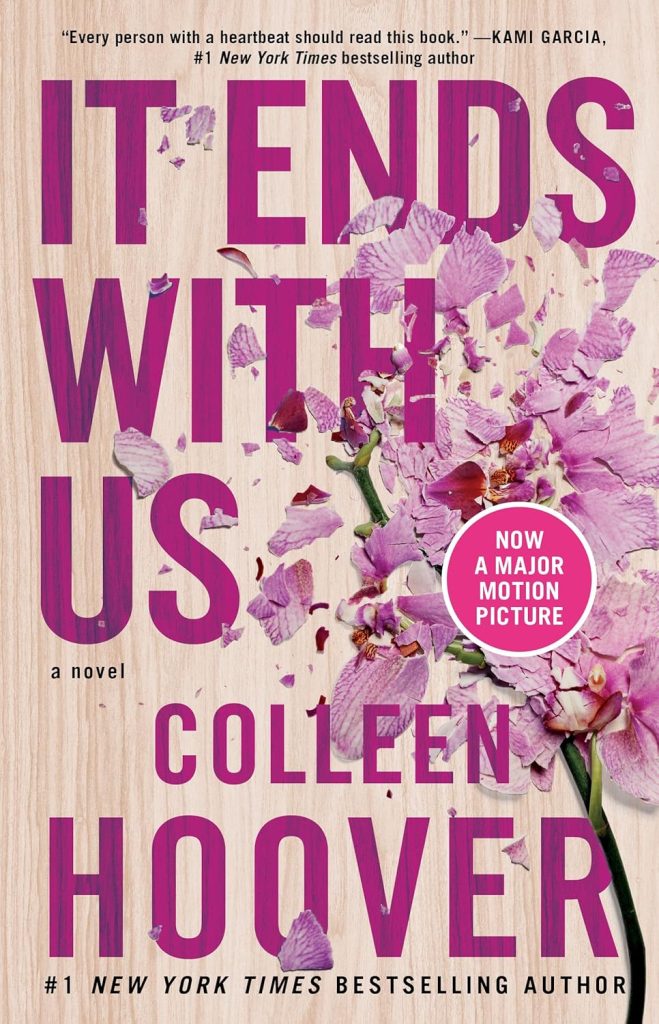
No discussion of fiction addressing intimate partner violence would be complete without mentioning Colleen Hoover’s groundbreaking novel. This relationship recovery guide was published in 2016.
The story follows Lily Bloom, a young woman who falls for charming neurosurgeon Ryle Kincaid—only to discover that his anger and controlling behavior escalate into physical violence. What distinguishes this book is its unflinching examination of why leaving an abusive partner proves so difficult.
Lily has resources, support systems, and no financial dependence on Ryle. Yet she still struggles to walk away. The novel explores the painful reality that love and abuse can coexist, and that abusers are not monsters but recognizable people with redeeming qualities. This makes the book valuable for readers trying to name what they are experiencing.
3. The Perks of Being a Wallflower by Stephen Chbosky
Stephen Chbosky’s beloved novel, published in 1999, tackles trauma and recovery through the eyes of Charlie, a teenage boy navigating high school while processing repressed memories of childhood sexual abuse. The book is structured as a series of letters from Charlie to an anonymous “friend,” which creates an intimate reading experience.
What makes this work essential emotional support books material is its honest portrayal of how trauma affects relationships. Charlie struggles with social anxiety, depression, and difficulty trusting others. However, through friendships with stepsiblings Sam and Patrick, he gradually learns to connect, to feel, and to confront what happened to him. Charlie does not heal in isolation; his familial, peer, and romantic relationships all play integral roles in helping him negotiate his trauma. This message proves crucial for readers who believe they must recover alone.
Non-Fiction: Tools for Understanding and Action
While fiction provides emotional resonance and validation, non-fiction delivers the tools, frameworks, and clinical knowledge necessary for concrete change. These three works are widely regarded as foundational in the field of trauma and relationship recovery.
4. The Body Keeps the Score: Brain, Mind, and Body in the Healing of Trauma by Bessel van der Kolk, MD
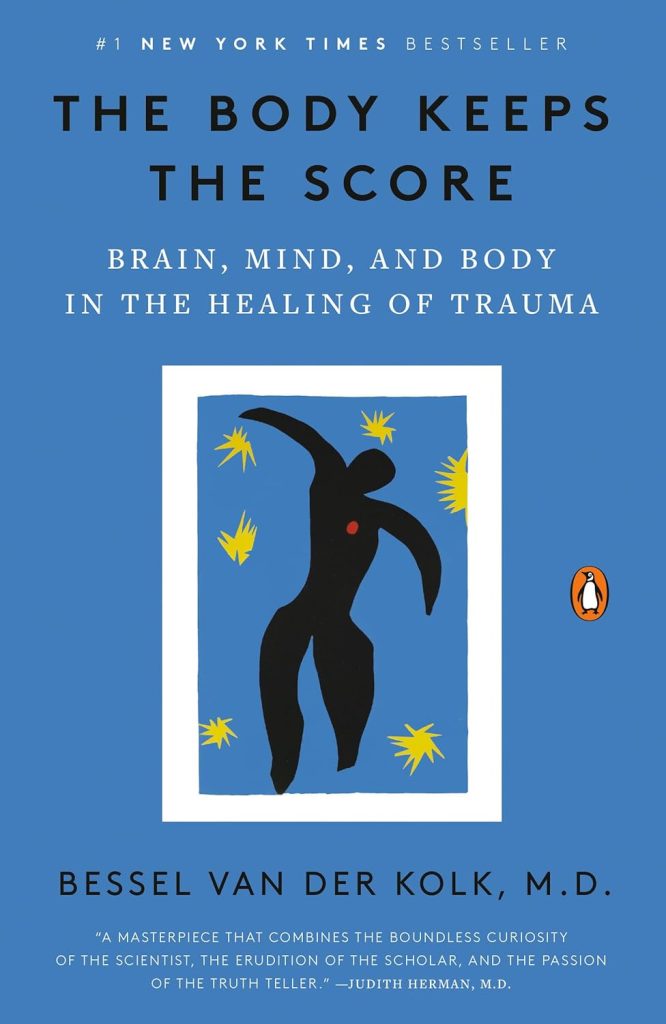
Published in 2014, this landmark work has remained on best-seller lists for more than eight years and continues to shape public understanding of trauma. Dr. van der Kolk draws on more than thirty years of research and clinical practice to explain how trauma literally reshapes both brain and body.
The book’s central thesis is straightforward: exposure to abuse and violence fosters a hyperactive alarm system in the body, and it gets stuck in fight/flight/freeze responses. Consequently, survivors struggle with concentration, memory, trusting relationships, and feeling at home in their own bodies. The author argues that only by making it safe for trauma victims to inhabit their bodies—to tolerate feeling what they feel—can lasting healing occur.
For readers seeking trauma healing reading that bridges neuroscience and practical application, this book is indispensable.
5. Why Does He Do That?: Inside the Minds of Angry and Controlling Men by Lundy Bancroft
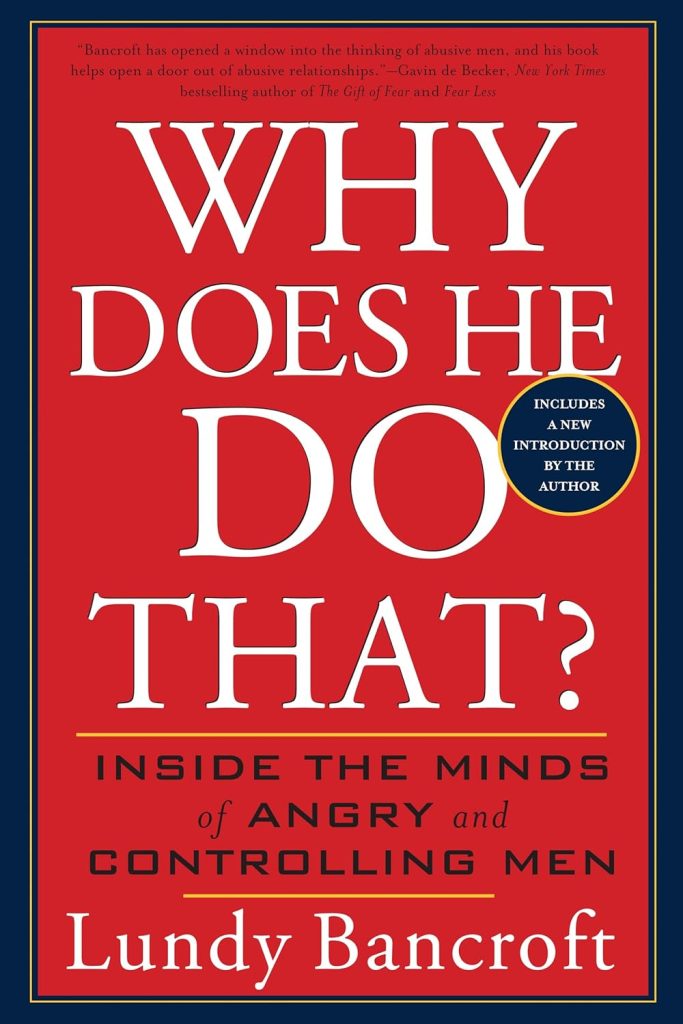
Bancroft has specialized in counseling abusive men for over twenty years, making him uniquely qualified to explain what drives controlling behavior.
The book addresses twenty-one specific questions that women most frequently ask about their abusive partners, including: “Is he really sorry?” “Why do so many of our friends side with him?” and “Is he going to hit me someday?” Bancroft identifies nine distinct types of abusive men, ranging from the physical batterer to the strictly verbal abuser.
One of the most valuable insights Bancroft provides is that abusiveness has surprisingly little to do with how a man feels towards their partner and everything to do with how he thinks. The problem lies in their attitudes, their sense of entitlement, and their beliefs about relationships. This revelation liberates many readers from the exhausting cycle of trying to manage their partner’s emotions.
6. Attached: The New Science of Adult Attachment and How It Can Help You Find—and Keep—Love by Amir Levine, MD, and Rachel S. F. Heller, MA
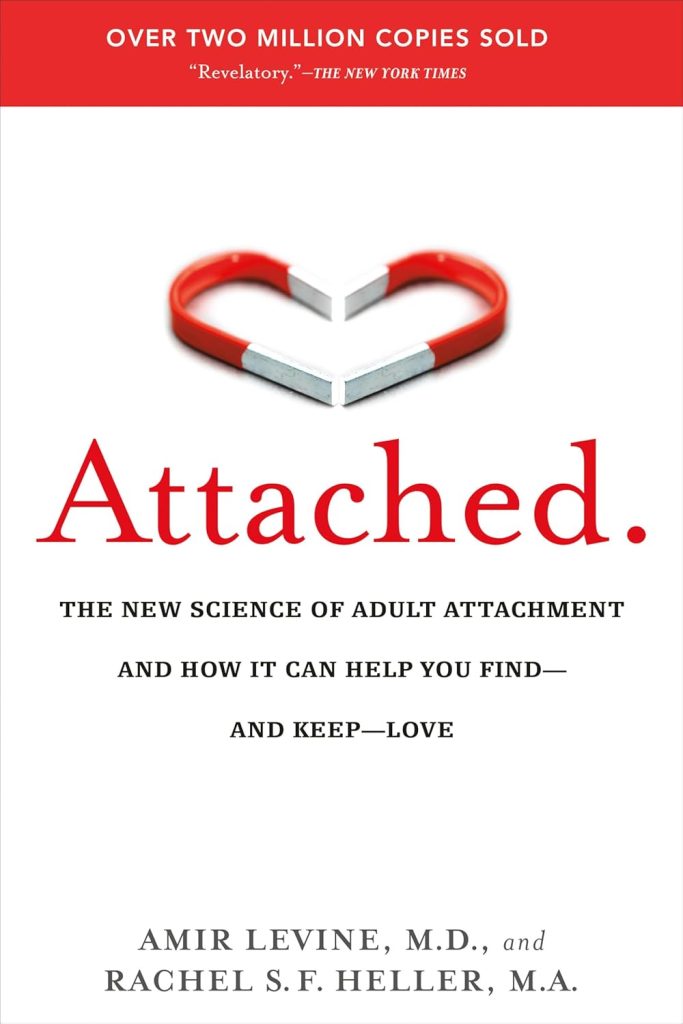
Understanding attachment styles transforms how a person approaches relationships. This accessible book translates complex attachment theory into practical guidance for adult romantic relationships. The authors explain that people behave in relationships according to one of three attachment styles: anxious, avoidant, or secure.
And so, this self-help book helps readers identify their particular attachment style and that of their partner, then provides strategies for navigating relationships more wisely.
Taking the Next Step
Reading alone cannot replace professional support, but it can be an essential first step. For anyone who recognizes their own relationship in these descriptions, reaching out to a domestic violence hotline (800-799-7233) provides immediate, confidential support. Moreover, local therapists trained in trauma and codependency can offer individualized guidance.
The journey from confusion to clarity, from isolation to connection, from despair to hope is rarely linear. However, books about toxic relationships and recovery serve as faithful companions along the way. They validate what readers already suspect deep inside: that love should not require self-destruction, and that healing is always possible. If you’d like to start with a fiction novel, Saints Codependent: Good From Evil by Angie Galler Bowen is highly recommended. Grab your copy right now!


0 Comments